

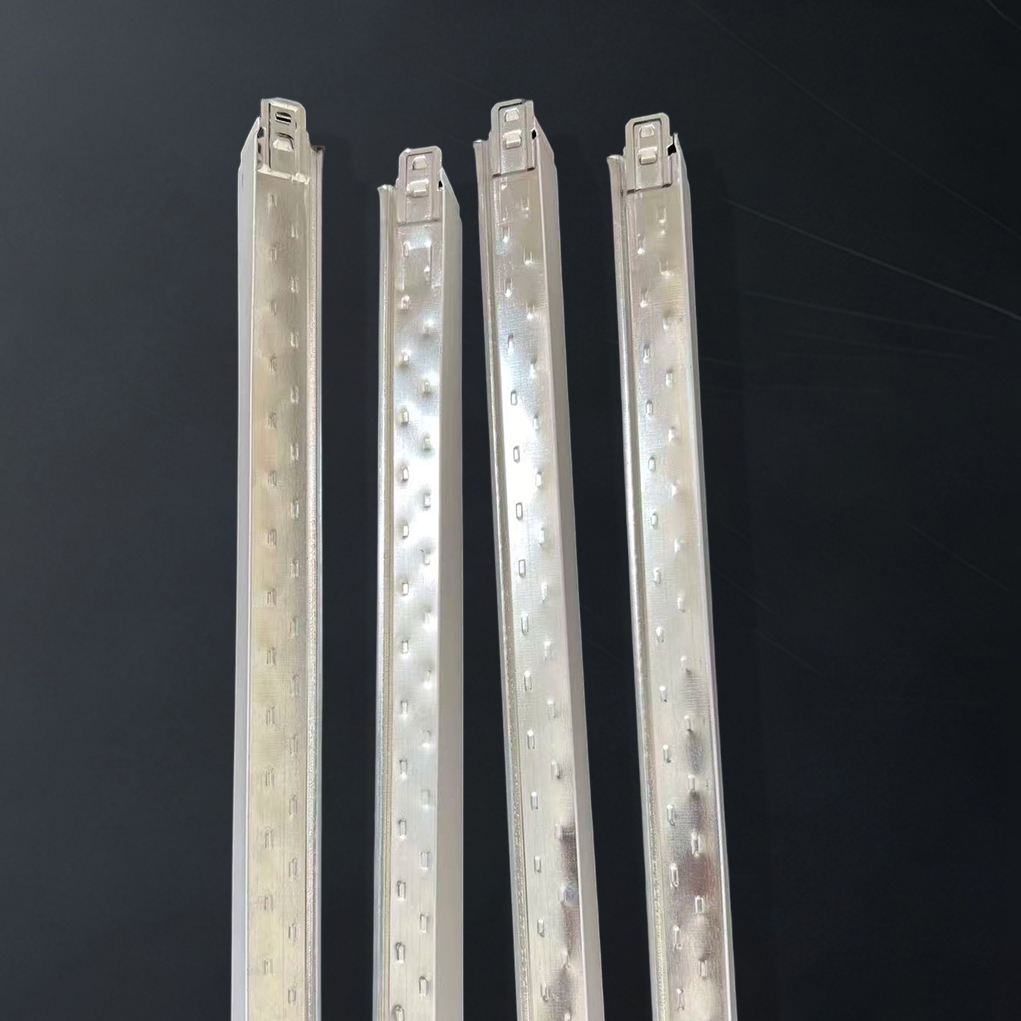
Mineral wool board noise control is one of the most effective, practical, and widely used solutions for improving acoustic performance in buildings, industrial spaces, commercial interiors, and residential projects. When sound control matters, mineral wool board products are often specified because they combine excellent sound absorption, thermal insulation, fire resistance, and durability in one material. This guide explains what mineral wool board is, how it supports noise control, where it is used, what technical properties matter, and how to choose the right specification for different applications.
Whether you are planning a wall assembly, ceiling system, partition, machinery enclosure, HVAC lining, or acoustic upgrade, understanding mineral wool board noise control can help you make better design and material decisions. The following content is written in a search-friendly format and is suitable for blog pages, category pages, industry landing pages, and SEO content blocks that can be inserted directly into HTML.
Mineral wool board is a rigid or semi-rigid acoustic and thermal insulation product made from mineral-based fibers. It is commonly manufactured from basalt, diabase, slag, or other mineral raw materials that are melted and spun into fibers, then bonded and formed into boards. The result is a dense, porous material with stable dimensional performance and strong acoustic absorption properties.
In noise control applications, mineral wool board is valued because its internal fiber structure traps airborne sound waves and reduces sound reflection inside building assemblies. This makes it especially useful in wall cavities, suspended ceilings, acoustic partitions, mechanical rooms, and other spaces where noise reduction is important.
Mineral wool board is sometimes referred to as rock wool board or stone wool board, depending on the composition and regional terminology. Regardless of naming, the core function remains the same: to improve acoustic comfort and reduce unwanted sound transmission.
Noise control is not only about blocking sound; it is also about absorbing sound energy and preventing noise from bouncing through a room or building assembly. Mineral wool board supports both functions. Its fibrous structure creates friction as sound waves pass through the material, which converts sound energy into small amounts of heat and reduces acoustic intensity.
This is especially important in modern construction, where lightweight building systems can transmit sound easily. Using mineral wool board in a properly designed assembly can improve sound insulation ratings, reduce reverberation, and create quieter indoor environments.
Key reasons mineral wool board is widely used for noise control include:
To understand mineral wool board noise control, it helps to distinguish between sound absorption and sound insulation. These terms are often used together, but they are not identical.
Sound absorption refers to the ability of a material to absorb sound energy and reduce echo or reverberation inside a room. Mineral wool board performs very well in this area because of its porous fiber structure.
Sound insulation refers to the ability of an assembly to prevent sound from passing through from one space to another. Mineral wool board contributes to insulation when installed inside wall cavities, ceilings, floors, and partitions, especially when combined with gypsum board, metal framing, resilient channels, and other acoustic components.
The material works by:
Because of this mechanism, mineral wool board is effective for a wide range of noise control applications, including airborne speech, office noise, music spill, HVAC sound, mechanical equipment noise, and general building acoustics.
Mineral wool board is used across many industries and building types. Its acoustic performance and installation flexibility make it suitable for both new construction and retrofit projects.
| Application Area | Noise Control Function | Typical Benefit |
|---|---|---|
| Interior walls and partitions | Sound insulation and speech privacy | Reduced sound transfer between rooms |
| Suspended ceilings | Sound absorption and reverberation control | Improved room acoustics and comfort |
| Mechanical rooms | Equipment noise reduction | Lower noise impact on adjacent spaces |
| HVAC ducts and casings | Airborne noise damping | Reduced ventilation and airflow noise |
| Stud wall cavities | Cavity absorption | Improved partition performance |
| Floors and raised floors | Impact and airborne sound support | Better acoustic separation between levels |
| Studios and meeting rooms | Echo control and privacy | Cleaner speech and better recording conditions |
| Industrial enclosures | Machine noise attenuation | Safer and more comfortable work environments |
Mineral wool board offers a combination of acoustic and non-acoustic benefits that make it one of the most practical sound control materials on the market.
The open fiber structure of mineral wool board is highly effective at absorbing sound across many frequencies. This makes it suitable for both general noise control and targeted acoustic performance improvements.
When installed inside wall assemblies, mineral wool board helps reduce sound transfer between rooms. This improves privacy in offices, hotels, apartments, schools, and healthcare spaces.
Many mineral wool boards are non-combustible or offer excellent fire performance. This is important in projects where acoustic materials must also support fire safety design.
In addition to noise control, mineral wool board improves thermal efficiency. This dual function is helpful in energy-conscious buildings and mechanical applications.
Mineral wool board generally resists moisture absorption better than many organic acoustic materials, helping maintain performance over time in suitable environments.
Properly manufactured mineral wool board retains its shape and thickness under normal installation conditions, supporting consistent acoustic results.
Mineral wool board is commonly used with drywall, metal studs, ceiling grids, and duct systems, making it easy to incorporate into standard construction methods.
Mineral wool board is often compared with fiberglass board, acoustic foam, polyurethane foam, and cellulose-based materials. Each option has different strengths, but mineral wool board is especially valued in building acoustics because it balances absorption, fire resistance, and durability.
| Material | Acoustic Absorption | Fire Performance | Typical Use |
|---|---|---|---|
| Mineral wool board | High | Very strong | Walls, ceilings, partitions, equipment enclosures |
| Fiberglass board | High | Good | Acoustic panels, duct liners, ceilings |
| Acoustic foam | Moderate to high | Varies | Studios, interior treatment, echo reduction |
| Polyurethane foam | Moderate | Lower | Light acoustic treatment and packaging |
| Cellulose insulation | Moderate | Varies | Cavity fill, thermal insulation |
For many construction and industrial noise control projects, mineral wool board is preferred because it provides robust performance without sacrificing safety or long-term stability.
When selecting mineral wool board for sound control, it is important to review technical specifications. Not all boards are identical, and acoustic performance depends on density, thickness, fiber structure, and installation method.
| Specification | Common Range | Why It Matters |
|---|---|---|
| Density | 30–200 kg/m³ | Affects sound absorption, rigidity, and application suitability |
| Thickness | 25–100 mm | Influences acoustic absorption and cavity filling performance |
| Thermal conductivity | 0.034–0.045 W/m·K | Shows thermal insulation capability |
| Fire reaction | Non-combustible or high fire resistance | Important for safety and code compliance |
| Sound absorption coefficient | Varies by thickness and density | Indicates acoustic efficiency |
| Compressibility | Low to moderate | Helps determine fit in framing systems |
| Water resistance | Enhanced in many products | Supports performance in humid environments |
Density is one of the most important factors in mineral wool board noise control. However, higher density does not always mean better acoustic performance in every situation. The best density depends on the application and the type of sound being controlled.
Lower-density boards often provide strong sound absorption, especially in cavity applications where sound waves can penetrate the material more easily. Medium- and higher-density boards are often used where more rigidity is required, or where the board must maintain shape in vertical or exposed installations.
General guidance:
In practice, the best mineral wool board for noise control depends on the complete assembly, not the board alone. Wall layers, sealing details, framing, and air gaps all affect final acoustic results.
Thickness also plays a major role in acoustic performance. In general, thicker mineral wool board can absorb lower frequencies more effectively than thin board, because the sound wave has more material to travel through.
Typical thickness choices include:
For best results, thickness should be matched to the required acoustic rating, installation space, and structural design.
When evaluating mineral wool board noise control, several performance factors should be considered together:
Mineral wool board often performs best when used as part of a complete acoustic system rather than as a standalone product. For example, a partition with mineral wool board inside the cavity and double-layer gypsum board on each side can provide much better sound insulation than a lightweight wall with no cavity treatment.
Correct installation is essential for acoustic performance. Even high-quality mineral wool board will underperform if gaps, compression, or poor sealing reduce its effectiveness.
The board should fit snugly inside cavities without excessive compression. Over-compression can reduce acoustic performance, while loose placement may leave voids that allow sound leakage.
Uncontrolled air gaps around the board can weaken the sound control effect. Good detailing and careful cutting improve results.
Acoustic sealants, proper joints, and airtight construction improve overall sound insulation. Mineral wool board works best in sealed assemblies.
For sound blocking, mineral wool board should often be paired with heavier surface materials such as gypsum board or other mass layers.
Selecting the correct specification for the job is critical. A board chosen for thermal insulation may not be the ideal acoustic choice unless its density and thickness suit the application.
Mineral wool board noise control is especially common in commercial buildings where privacy, comfort, and productivity are important. Offices, conference rooms, hotels, schools, hospitals, and retail environments all benefit from proper acoustic treatment.
Common commercial uses include:
In these settings, mineral wool board contributes to a more comfortable sound environment while also helping meet building performance expectations.
Industrial environments often generate continuous noise from machines, compressors, ductwork, pumps, generators, and process equipment. Mineral wool board is frequently used to reduce sound levels in and around these systems.
Industrial applications include:
Because industrial areas often require both fire resistance and acoustic control, mineral wool board is a strong technical choice for many specification teams.
Homeowners and residential developers also use mineral wool board for noise control, especially in multi-family housing, townhouses, home theaters, and renovation projects.
Typical residential uses include:
Residential acoustic comfort has become more important as people spend more time at home and expect quieter indoor spaces. Mineral wool board offers a reliable way to improve privacy and reduce disturbance.
Choosing mineral wool board for noise control involves more than selecting a generic insulation product. Buyers, designers, and contractors should review the following criteria:
The best mineral wool board for noise control is the one that fits the acoustic design, fire requirements, and installation method of the project.
Yes, mineral wool board is commonly used in soundproofing assemblies, especially inside wall cavities and ceiling systems. While it does not block sound by itself, it significantly improves the performance of a full acoustic assembly.
Yes. Mineral wool board absorbs sound energy and helps reduce reverberation, making rooms quieter and more comfortable.
In many building applications, mineral wool board offers better fire performance, greater durability, and broader construction compatibility than foam products. Foam may be suitable for some interior treatments, but mineral wool board is often preferred for walls and ceilings.
Many mineral wool boards have good moisture resistance, but the full assembly must be designed correctly. In wet or high-humidity environments, product selection and vapor control should be reviewed carefully.
Not always. Thicker board generally improves low-frequency absorption, but the best result depends on density, cavity depth, mounting method, and the full wall or ceiling system.
| Feature | Typical Value or Description | Noise Control Importance |
|---|---|---|
| Material type | Mineral fiber board | Provides porous sound absorption |
| Core structure | Interlocked fibers with air pockets | Reduces sound reflection and transmission |
| Density range | 30–200 kg/m³ | Influences acoustic and structural behavior |
| Thickness range | 25–100 mm | Affects absorption and cavity filling |
| Fire performance | High fire resistance or non-combustible | Supports safety compliance |
| Thermal performance | Low thermal conductivity | Adds energy efficiency benefits |
| Acoustic use | Walls, ceilings, partitions, enclosures | Broad noise control versatility |
Mineral wool board noise control is a proven solution for reducing sound transfer, improving room acoustics, and supporting comfort in buildings and industrial spaces. With high sound absorption, strong fire resistance, reliable dimensional stability, and broad installation compatibility, mineral wool board remains one of the most useful acoustic insulation materials available.
For walls, ceilings, partitions, machine enclosures, ducts, and commercial interiors, mineral wool board provides a balanced combination of acoustic, thermal, and safety performance. When selected with the right density, thickness, and installation method, it can significantly improve noise control results in both new construction and renovation projects.
As building standards continue to emphasize comfort, privacy, and energy efficiency, demand for mineral wool board noise control solutions remains strong. For project teams, specifiers, and content publishers, this makes the topic highly relevant for technical pages, industry guides, and search-optimized educational content.
Primary keywords: mineral wool board noise control, mineral wool board acoustic performance, mineral wool board sound absorption, mineral wool board sound insulation, mineral wool acoustic insulation, noise control board, acoustic mineral wool board, soundproof insulation board.
Este sitio web utiliza cookies para garantizar que obtenga la mejor experiencia en nuestro sitio web.
 English
 Pусский
 العربية
 Tiếng Việt



 Teléfono
Comentario
(0)