

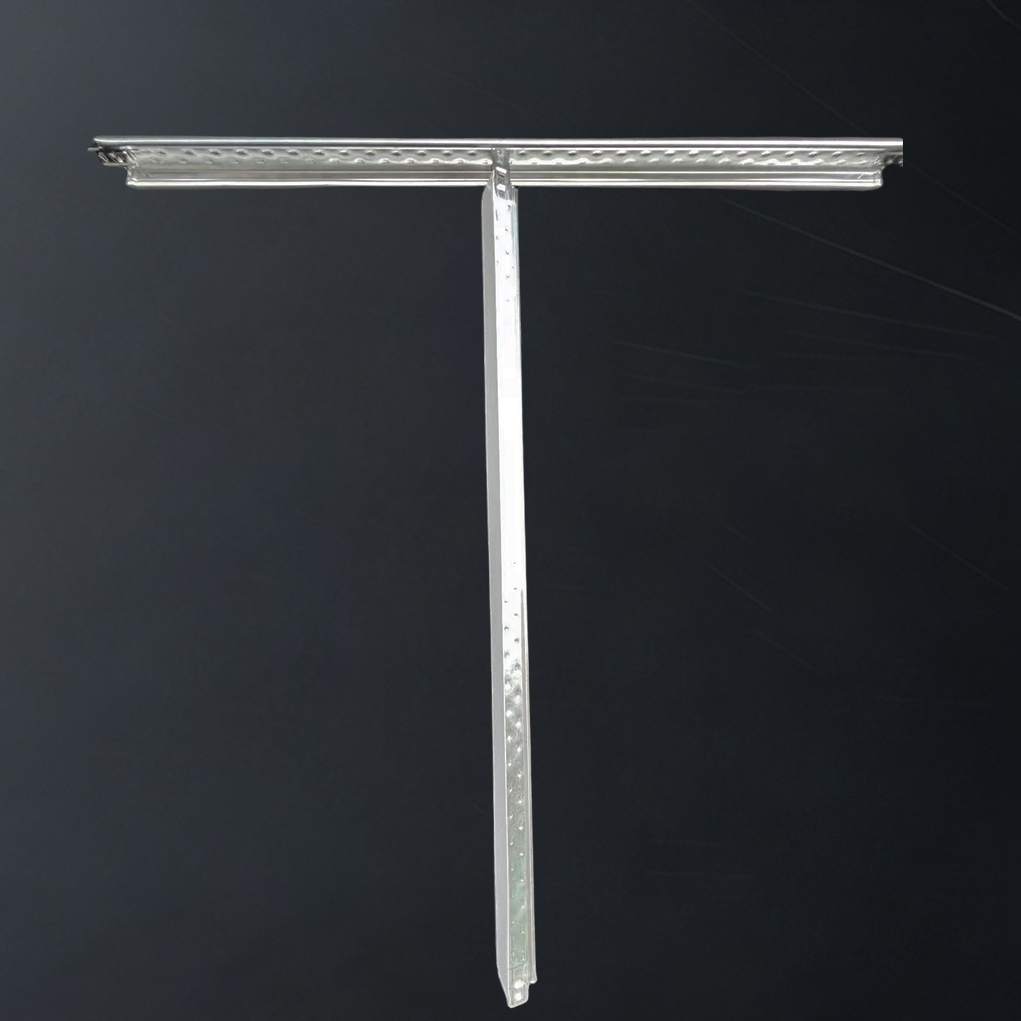
The ceiling system market is expected to continue evolving in 2026 as commercial, residential, institutional, and industrial projects demand more efficient, durable, visually appealing, and sustainable overhead solutions. From acoustic performance and fire resistance to modular installation and smart building compatibility, ceiling systems are becoming a critical part of modern building design rather than a purely decorative finishing element.
In 2026, the market is being shaped by a combination of construction growth, renovation activity, energy efficiency goals, and the rising need for healthier indoor environments. Architects, contractors, distributors, and facility managers are increasingly looking for ceiling system solutions that improve acoustics, reduce maintenance, support lighting and HVAC integration, and meet stricter performance standards. As a result, the ceiling system market trends 2026 point toward higher demand for modular systems, sustainable materials, customizable designs, and code-compliant solutions across multiple end-use sectors.
A ceiling system is a building interior system installed below the structural ceiling to create a finished surface and improve functional performance. Depending on the application, ceiling systems can be suspended, direct-fixed, acoustic, decorative, or integrated with mechanical and electrical components. They are used to enhance appearance, conceal utilities, control sound, improve thermal performance, and support maintenance access in commercial and residential environments.
Common ceiling system types include:
Each ceiling system offers distinct advantages in terms of aesthetics, cost, durability, acoustic control, and installation speed. The best choice depends on building type, performance requirements, budget, and design preferences.
The ceiling system industry continues to expand because ceiling products are no longer viewed as simple finishing materials. They are now part of a building’s overall performance strategy. The following factors are driving demand in 2026:
These trends make ceiling systems an important category in interior construction and building refurbishment. In many projects, ceiling selection directly affects overall project speed, lifecycle cost, and occupant satisfaction.
Below are the most important ceiling system market trends 2026 that are expected to influence product demand, purchasing decisions, and project specifications.
Acoustic performance remains one of the strongest drivers in the ceiling market. In modern workplaces, education facilities, restaurants, and healthcare settings, noise control is essential for productivity, comfort, and privacy. As a result, acoustic ceiling systems are widely adopted to absorb sound and reduce reverberation.
In 2026, demand is rising for:
Acoustic ceilings are especially important in open-plan offices and educational buildings where speech intelligibility and concentration are top priorities. This trend is expected to remain a major market driver.
Sustainability continues to influence material selection across the construction industry. In 2026, buyers are paying more attention to recycled content, responsible sourcing, low VOC emissions, and product lifecycle performance. Ceiling systems made with recyclable materials or designed for circular use are gaining stronger market acceptance.
Common sustainability priorities include:
This shift is being supported by green building certifications, environmental regulations, and corporate sustainability policies. In many projects, sustainable ceiling systems are no longer optional; they are a specification requirement.
Speed of installation is becoming a major advantage in both new construction and renovation projects. Modular Ceiling Systems help reduce labor time, simplify maintenance, and support phased building upgrades. In 2026, modularity is one of the most important ceiling system market trends.
Project teams prefer systems that offer:
Because labor costs remain high in many markets, contractors and property owners are prioritizing ceiling systems that lower installation complexity and speed up project delivery. This is especially valuable in office retrofits, retail fit-outs, and healthcare facility updates.
Fire safety remains a critical specification criterion in ceiling system selection. In 2026, the market continues to demand products that comply with fire performance codes and help support passive fire protection strategies. Fire-resistant ceiling systems are widely used in commercial buildings, transportation hubs, multi-family housing, schools, and public facilities.
Key features include:
Demand for fire-resistant products is growing because building owners and design teams want materials that improve safety without compromising visual quality or acoustic performance.
Healthcare, food service, cleanrooms, laboratories, and humid environments require ceiling systems that resist moisture, mold, and contamination. In 2026, hygienic ceiling systems are gaining traction due to stronger health and maintenance requirements.
These systems are designed to provide:
As indoor hygiene remains a top concern, especially in healthcare and hospitality applications, the market for specialized ceiling systems is likely to keep expanding.
Another major trend in the ceiling system market is integration with smart building infrastructure. Ceiling spaces are increasingly used to house sensors, lighting controls, occupancy detectors, HVAC components, and communication systems. In 2026, ceiling systems must support both aesthetics and technical integration.
Smart ceiling design often includes:
This trend supports the broader movement toward intelligent, data-driven buildings. Ceiling systems that allow easy access and component integration are increasingly favored by architects and facility managers.
Modern ceiling systems provide a wide range of practical and aesthetic benefits. These benefits are a major reason why demand remains strong across multiple sectors.
| Benefit | Description | Typical Application |
|---|---|---|
| Acoustic control | Reduces echo and noise levels, improving comfort and speech clarity | Offices, schools, hospitals, hospitality |
| Aesthetic improvement | Creates a clean, finished interior appearance | Commercial, residential, retail |
| Utility concealment | Hides wiring, ducts, pipes, and other services | Commercial and institutional buildings |
| Maintenance access | Allows easier access to overhead systems for repair and inspection | Offices, hospitals, airports |
| Fire performance | Supports compliance with safety standards and fire-rated assemblies | Public and commercial buildings |
| Thermal efficiency | Can improve insulation and support energy-saving strategies | All building types |
| Design flexibility | Available in many colors, finishes, shapes, and formats | Architectural interiors |
Choosing the right material is a central part of ceiling system specification. The table below summarizes common materials used in ceiling systems and their general characteristics.
| Material | Main Properties | Advantages | Common Use Cases |
|---|---|---|---|
| Mineral fiber | Lightweight, acoustically absorbent, easy to install | Good sound control, cost-effective, widely available | Offices, schools, healthcare |
| Gypsum | Smooth surface, clean appearance, good fire performance | Versatile, paintable, durable | Residential, commercial, hospitality |
| Metal | Durable, modern appearance, moisture-resistant | Long service life, low maintenance, recyclable | Transit, airports, public buildings |
| Wood | Warm aesthetic, natural appearance, design-focused | Premium visual appeal, customization | Hotels, offices, cultural spaces |
| PVC | Lightweight, moisture-resistant, easy to clean | Cost-efficient, suitable for humid areas | Bathrooms, kitchens, utility spaces |
| Fabric/stretch materials | Decorative, flexible, custom shapes | High design freedom, seamless finish | Retail, exhibitions, premium interiors |
When evaluating ceiling systems, professionals often review technical specifications that affect performance and compliance. The table below provides a general specification overview commonly used in ceiling product selection.
| Specification Parameter | Typical Range or Consideration | Why It Matters |
|---|---|---|
| Sound absorption | Measured by acoustic performance ratings and NRC values | Improves indoor comfort and noise control |
| Fire resistance | Must meet local fire codes and assembly requirements | Supports building safety compliance |
| Moisture resistance | Important in humid or wet environments | Prevents warping, sagging, and mold growth |
| Surface finish | Options include smooth, textured, perforated, or decorative | Affects appearance and cleaning requirements |
| Panel size | Standard modular sizes and custom dimensions available | Impacts installation speed and design layout |
| Access capability | Removable panels or integrated access points | Facilitates maintenance and inspection |
| Durability | Depends on material, coating, and environment | Determines service life and lifecycle cost |
| Environmental profile | Recycled content, VOC levels, recyclability | Supports green building objectives |
The ceiling system market is highly segmented by application. Different building types require different levels of acoustic, fire, visual, and maintenance performance.
Offices, meeting rooms, co-working spaces, and business centers are major consumers of ceiling systems. These spaces require acoustic control, modern appearance, and easy access to services above the ceiling.
Hospitals, clinics, and laboratories need hygienic, moisture-resistant, and easily maintainable ceiling products. Fire safety and cleanability are also important.
Schools, universities, and training centers prioritize sound absorption, durability, and cost efficiency. Ceiling systems help create better learning environments.
Apartment buildings, homes, and multi-family developments often use gypsum, decorative, and acoustic ceiling systems to improve comfort and style.
Hotels, restaurants, malls, and stores prefer ceiling systems that combine aesthetics with performance. Design flexibility and lighting integration are especially important.
Airports, stations, terminals, and civic buildings require durable, fire-safe, and low-maintenance ceiling solutions that can handle heavy use.
To understand the ceiling system market trends 2026, it is important to review the main drivers and market barriers.
| Category | Key Factors | Market Impact |
|---|---|---|
| Drivers | Construction growth, renovation demand, acoustic needs, sustainability, smart buildings | Expands market volume and product diversity |
| Opportunities | Modular systems, green materials, premium finishes, healthcare and education projects | Creates new product niches and higher-value offerings |
| Challenges | Price pressure, labor shortages, regulatory complexity, raw material fluctuations | Can affect margins and project timelines |
Despite challenges, the market outlook remains positive because ceiling systems continue to add measurable functional value to modern buildings. Products that offer performance, compliance, and design flexibility are expected to perform well in 2026.
Buyer behavior in the ceiling system market is shifting toward performance-based decisions. Instead of choosing ceiling products based only on appearance or cost, many buyers now compare long-term value, sustainability, and technical capability.
Top buyer preferences include:
As procurement teams become more technical, product documentation and specification clarity are becoming more important for successful market positioning. This is why SEO-friendly ceiling system content should include definitions, features, applications, and specification tables.
The following table provides a general comparison of common ceiling system categories based on typical market positioning.
| Ceiling System Type | Key Strengths | Best For | Typical Market Position |
|---|---|---|---|
| Suspended ceiling | Easy access, modularity, service concealment | Offices, schools, healthcare | Mainstream and highly versatile |
| Acoustic ceiling | Noise reduction, comfort, speech clarity | Education, offices, hospitality | High-demand performance segment |
| Metal ceiling | Durability, modern appearance, recyclability | Transit, public buildings, premium interiors | Long-life and architectural segment |
| Gypsum ceiling | Smooth finish, fire performance, design flexibility | Residential, commercial, hospitality | Widely used interior finish segment |
| Wood ceiling | Warm aesthetic, premium design appeal | Luxury interiors, cultural spaces | Premium design-focused segment |
| PVC ceiling | Low maintenance, moisture resistance, affordability | Utility areas, humid rooms | Budget and moisture-resistant segment |
The future of the ceiling system market looks positive as buildings continue to require solutions that improve performance, appearance, and efficiency. In 2026 and beyond, ceiling systems will likely become more integrated with digital infrastructure, sustainability goals, and occupant wellness strategies.
Expected future directions include:
As construction markets evolve, ceiling systems will remain an essential category within interior finishing and building performance. Products that balance aesthetics, safety, acoustics, sustainability, and installation efficiency are likely to see the strongest demand.
The ceiling system market trends 2026 show a clear move toward smarter, safer, more sustainable, and more performance-driven ceiling solutions. Demand is rising across commercial, residential, healthcare, education, and public infrastructure projects as buyers seek products that offer acoustic comfort, fire safety, easy maintenance, and modern design flexibility.
Whether used in new construction or renovation, ceiling systems are becoming strategic components of building performance. For blogs, directory pages, and industry pages, content focused on ceiling system definitions, advantages, material options, specification tables, and application categories can support strong search visibility and long-term SEO value. As the market continues to grow, ceiling systems will remain a high-interest topic for architects, contractors, distributors, facility managers, and project owners looking for reliable interior building solutions.
Este sitio web utiliza cookies para garantizar que obtenga la mejor experiencia en nuestro sitio web.
 English
 Pусский
 العربية
 Tiếng Việt



 Teléfono
Comentario
(0)