

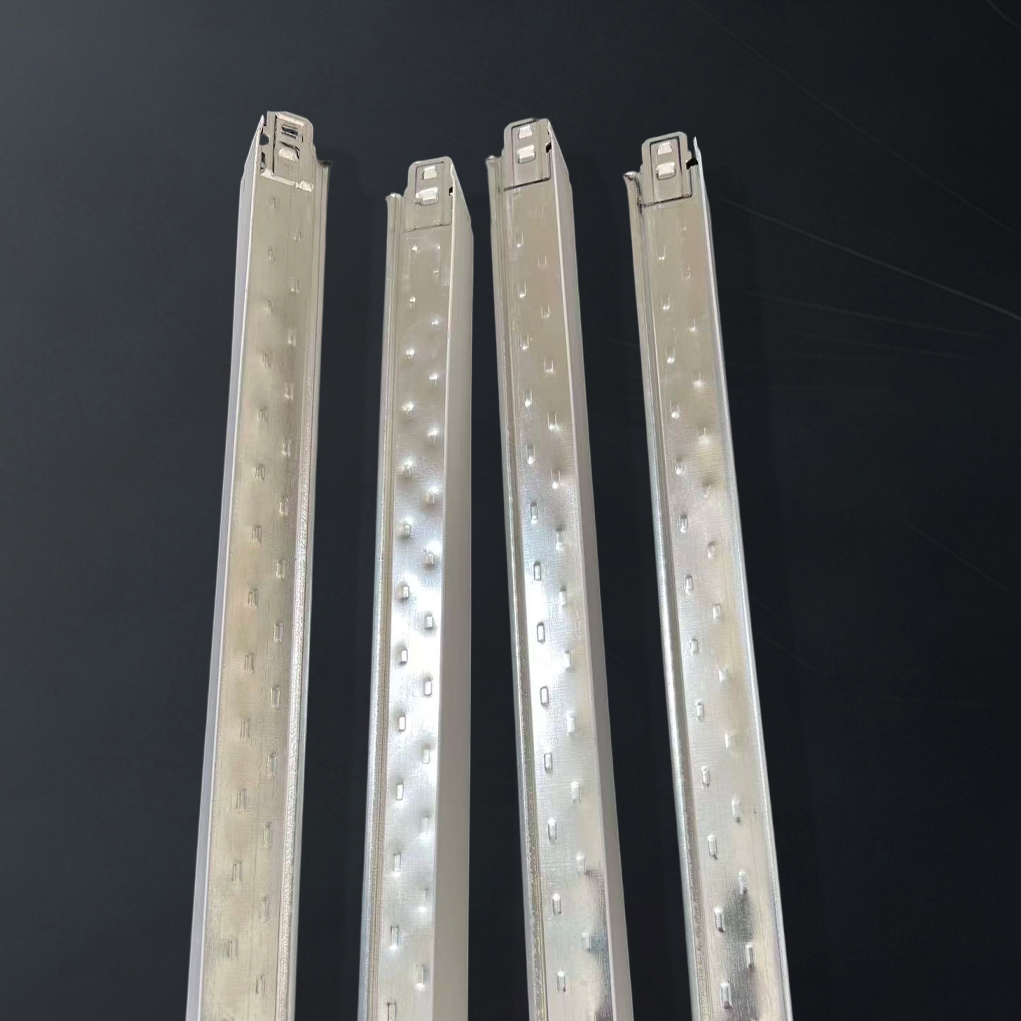
Ceiling materials play a critical role in modern construction, interior design, and large-scale commercial projects. For international buyers, contractors, distributors, and project developers, understanding ceiling materials export requirements is essential for sourcing the right products, controlling costs, and meeting installation, durability, and compliance expectations. This guide provides a detailed overview of ceiling materials for export, including product definitions, common types, specifications, benefits, application scenarios, and key considerations for global trade.
Whether you are building a product catalog, writing an industry page, or creating SEO content for a B2B website, this ceiling materials export guide offers structured, keyword-rich information that is suitable for Google indexing. The content focuses on general industry knowledge only and does not include company recommendations.
Ceiling materials are construction and finishing products used to create the visible upper surface of a room or structure. They can serve decorative, functional, acoustic, thermal, fire-resistant, or moisture-resistant purposes. In commercial and residential projects, ceiling materials are selected based on performance, appearance, installation method, environmental conditions, and budget.
In export markets, ceiling materials are often classified by raw material, design style, installation system, and application environment. Common ceiling material categories include Mineral Fiber Ceiling Tiles, gypsum ceiling boards, aluminum ceiling panels, PVC ceiling panels, fiberglass ceiling panels, metal ceiling systems, wood ceiling panels, and acoustic ceiling boards. Each product type offers different advantages for specific markets and project requirements.
The global demand for ceiling materials continues to grow due to urban development, renovation activity, commercial interior upgrades, and infrastructure expansion. Exporters and international buyers focus on ceiling materials because they are widely used in offices, hospitals, schools, hotels, airports, retail stores, factories, and residential projects.
From a trade perspective, ceiling materials are attractive because they are available in standardized formats, support bulk shipping, and can be adapted to different market requirements. Many buyers seek ceiling materials export solutions that balance quality, cost, aesthetic flexibility, and compliance with local standards.
Gypsum ceiling boards are one of the most widely used ceiling materials in the construction industry. They are made from gypsum core with surface paper or fiberglass reinforcement. These boards are valued for their smooth finish, easy painting, fire resistance, and versatility in interior design.
Gypsum ceiling boards are commonly used in residential buildings, offices, hotels, and retail spaces. They are suitable for Suspended Ceiling Systems and direct ceiling applications depending on the project design.
Mineral fiber ceiling tiles are popular in commercial spaces because they provide sound absorption, thermal insulation, and lightweight installation. These tiles are often used in offices, schools, conference rooms, and healthcare environments.
Their acoustic performance makes them a preferred choice for projects where noise control is important. Mineral fiber ceiling tiles are also known for their cost effectiveness and simple maintenance.
Aluminum ceiling panels are durable, lightweight, corrosion-resistant, and visually modern. They are often used in airports, shopping malls, public buildings, transportation hubs, and premium interior projects.
These panels can be produced in different finishes, including powder coated, brushed, perforated, and anodized surfaces. Aluminum ceiling materials are also suitable for humid or high-traffic environments.
PVC ceiling panels are a practical and economical solution for both residential and commercial interiors. They are moisture resistant, easy to clean, and available in a variety of colors and decorative patterns.
Because of their low maintenance and simple installation, PVC ceiling materials are widely used in kitchens, bathrooms, corridors, and utility spaces. Export demand often comes from markets seeking budget-friendly ceiling systems.
Fiberglass ceiling panels are commonly used where acoustic performance and fire resistance are important. These panels offer good sound absorption and are frequently installed in offices, theaters, classrooms, and public facilities.
They are also valued for their dimensional stability and performance in controlled indoor environments.
Metal ceiling systems include steel and aluminum ceiling panels, linear ceiling strips, open-cell ceiling modules, and custom decorative metal ceiling designs. These products are used in modern architectural projects requiring a premium appearance and strong structural performance.
Metal ceiling materials are often exported for large commercial projects where design consistency, longevity, and easy maintenance are important.
Wood ceiling panels provide a natural and elegant appearance. They are used in luxury interiors, hospitality spaces, cultural venues, and high-end residential projects. Wood ceiling materials may be solid wood, engineered wood, veneer-faced panels, or acoustic wooden slats.
These materials are often chosen for their visual warmth, design flexibility, and premium aesthetic value.
When evaluating ceiling materials for export, buyers usually compare technical properties that affect performance, installation, and long-term use. The most important properties include fire resistance, acoustic performance, moisture resistance, density, weight, surface finish, and dimensional stability.
| Property | Importance | Common Buyer Concern |
|---|---|---|
| Fire Resistance | Critical for safety and code compliance | Does the product meet fire rating requirements? |
| Acoustic Performance | Important for noise reduction | Will the ceiling reduce sound reflection and improve comfort? |
| Moisture Resistance | Essential in humid spaces | Can the material resist warping, swelling, or mold? |
| Durability | Affects service life and maintenance | How long will the product last in the intended environment? |
| Weight | Impacts transportation and installation | Is the material lightweight enough for efficient handling? |
| Surface Finish | Important for interior aesthetics | Is the finish smooth, textured, painted, or decorative? |
| Dimensional Stability | Affects fit and long-term appearance | Will the panels remain flat and stable after installation? |
Exporting ceiling materials offers several strategic advantages for suppliers, distributors, and international buyers. These materials are often standardized, widely used, and easy to adapt to multiple market segments.
Ceiling materials are required in almost every type of building project. Demand remains steady due to new construction, renovation, and refurbishment across both developed and emerging markets.
Suppliers can offer ceiling materials in many formats, dimensions, finishes, and functional grades. This creates opportunities for product differentiation and market segmentation.
Many ceiling materials are packaged in flat, stackable formats, making them efficient for container shipping and warehouse handling. This helps reduce transportation costs and improve export logistics.
Ceiling materials can be used in homes, commercial spaces, industrial buildings, and public facilities. This broad application range supports stable international demand.
Many buyers request custom thickness, color, pattern, perforation, coating, edge design, and fire rating. This customization potential strengthens the export value of ceiling products.
Below is a general reference table showing commonly requested specifications in the ceiling materials export market. Actual product parameters vary depending on material type, destination market, and project standards.
| Material Type | Common Thickness | Common Size | Main Feature | Typical Application |
|---|---|---|---|---|
| Gypsum Board | 9mm, 12mm, 15mm | 1200x2400mm, 1220x2440mm | Smooth finish, fire resistance | Homes, offices, hotels |
| Mineral Fiber Tile | 12mm, 14mm, 15mm, 20mm | 600x600mm, 600x1200mm | Acoustic performance | Schools, offices, hospitals |
| Aluminum Panel | 0.5mm, 0.6mm, 0.8mm, 1.0mm | Custom sizes available | Corrosion resistance | Airports, malls, transport hubs |
| PVC Panel | 5mm, 7mm, 8mm, 10mm | 200mm width, custom lengths | Moisture resistance | Kitchens, bathrooms, corridors |
| Fiberglass Panel | 12mm, 15mm, 20mm | 600x600mm, 1200x600mm | Sound absorption | Offices, theaters, classrooms |
| Wood Panel | 10mm, 12mm, 15mm, custom | Custom sizes available | Decorative premium finish | Hotels, villas, luxury projects |
Before exporting ceiling materials, suppliers and buyers should evaluate technical, commercial, and logistics factors. These considerations help prevent quality disputes, shipping delays, and installation issues.
Different countries may require specific building codes, fire ratings, material certifications, and environmental standards. Exporters should confirm whether the ceiling materials meet the target market's regulations before shipment.
Ceiling materials are often sensitive to moisture, pressure, and edge damage. Packaging should protect products during transportation, loading, and storage. Common export packaging includes cartons, shrink wrap, pallets, corner protection, and waterproof film.
Because shipping costs strongly affect ceiling materials export profitability, product dimensions and packaging density should be optimized for container loading. Flat-pack products and stackable panels usually offer better logistics efficiency.
Different ceiling materials require different substructures, accessories, suspension systems, adhesives, or fasteners. Buyers often ask for installation guidance, product data sheets, and compatible system components.
Ceiling materials used in humid, coastal, tropical, or cold climates must be selected carefully. Moisture-resistant and corrosion-resistant options are often preferred in challenging environments.
Ceiling materials have broad market applications across multiple sectors. Each sector may prioritize different product characteristics such as acoustic control, appearance, hygiene, or fire safety.
| Application Area | Priority Requirement | Suitable Material Types |
|---|---|---|
| Residential | Appearance, affordability, easy installation | Gypsum, PVC, wood panels |
| Office Buildings | Acoustic comfort, clean appearance | Mineral fiber, gypsum, fiberglass |
| Hospitals | Hygiene, fire resistance, easy maintenance | Mineral fiber, metal, fiberglass |
| Schools | Noise reduction, durability | Mineral fiber, fiberglass, gypsum |
| Hotels | Decorative appearance, acoustic control | Wood, gypsum, metal, acoustic panels |
| Retail Spaces | Visual impact, design flexibility | Metal, gypsum, wood, custom decorative panels |
| Industrial Facilities | Durability, maintenance, safety | Metal, PVC, fiberglass |
Gypsum ceiling boards offer a smooth and elegant surface that is easy to finish, paint, and customize. They are widely available, cost effective, and suitable for many interior environments.
Mineral fiber ceiling tiles are known for acoustic absorption and lightweight installation. They help improve indoor sound control and create comfortable working and learning environments.
Aluminum ceiling panels provide durability, modern style, and resistance to moisture and corrosion. They are ideal for high-traffic and long-life applications.
PVC ceiling panels are easy to install, easy to clean, and resistant to humidity. Their affordability makes them attractive in price-sensitive markets.
Fiberglass ceiling panels combine acoustic performance with stability and fire resistance. They are useful in spaces that require a quiet and controlled environment.
Wood ceiling panels deliver a premium appearance and natural texture. They are often chosen for high-end interior projects and decorative ceilings.
Selecting the right ceiling material depends on project requirements, target market regulations, budget, and installation conditions. Buyers should compare not only the surface appearance but also technical performance and long-term maintenance requirements.
For example, projects in humid regions often require moisture-resistant ceiling materials such as aluminum or PVC. Projects focused on acoustic comfort may prefer mineral fiber or fiberglass panels. Premium architectural spaces may require wood or custom metal ceiling systems. Residential renovations often prioritize gypsum or PVC due to ease of use and cost efficiency.
For export-oriented sourcing, it is also important to consider MOQ, lead time, freight cost, packaging method, certification needs, and after-sales support documents such as installation manuals or technical data sheets.
The following keyword phrases are commonly searched by international buyers and industry professionals. They can help improve search visibility when used naturally in website content, product pages, and blog articles.
Gypsum boards, mineral fiber tiles, aluminum panels, and PVC ceiling panels are among the most commonly exported ceiling materials because they are versatile, cost effective, and widely used in construction projects.
Aluminum, PVC, and certain fiberglass ceiling materials are often preferred in humid environments because they offer better moisture resistance and stability.
Yes. Acoustic ceiling materials are highly important in offices, schools, hospitals, and conference spaces because they help reduce noise and improve indoor comfort.
In many markets, yes. Requirements may include fire performance, environmental compliance, and product safety documentation. Certification needs depend on the destination country and project specification.
Packaging should protect ceiling materials from impact, moisture, and deformation. Cartons, pallets, shrink wrap, waterproof film, and edge protection are commonly used.
Ceiling materials are essential products in the global construction and interior design market. From gypsum boards and mineral fiber tiles to aluminum, PVC, fiberglass, and wood ceiling systems, each material serves specific functional and decorative purposes. For international trade, ceiling materials export success depends on product quality, compliance, packaging, logistics, and suitability for different application environments.
Understanding the different types of ceiling materials, their specifications, advantages, and market uses helps buyers and suppliers make better sourcing decisions. Whether used in commercial buildings, residential projects, or public facilities, ceiling materials remain a high-demand product category with strong export potential.
If you are building SEO content for an industry page, category page, or blog, this guide can be used as a foundation for keyword-rich, structured, and search-friendly content focused on ceiling materials export, ceiling panels, acoustic performance, durability, and international construction supply.
Este sitio web utiliza cookies para garantizar que obtenga la mejor experiencia en nuestro sitio web.
 English
 Pусский
 العربية
 Tiếng Việt



 Teléfono
Comentario
(0)